
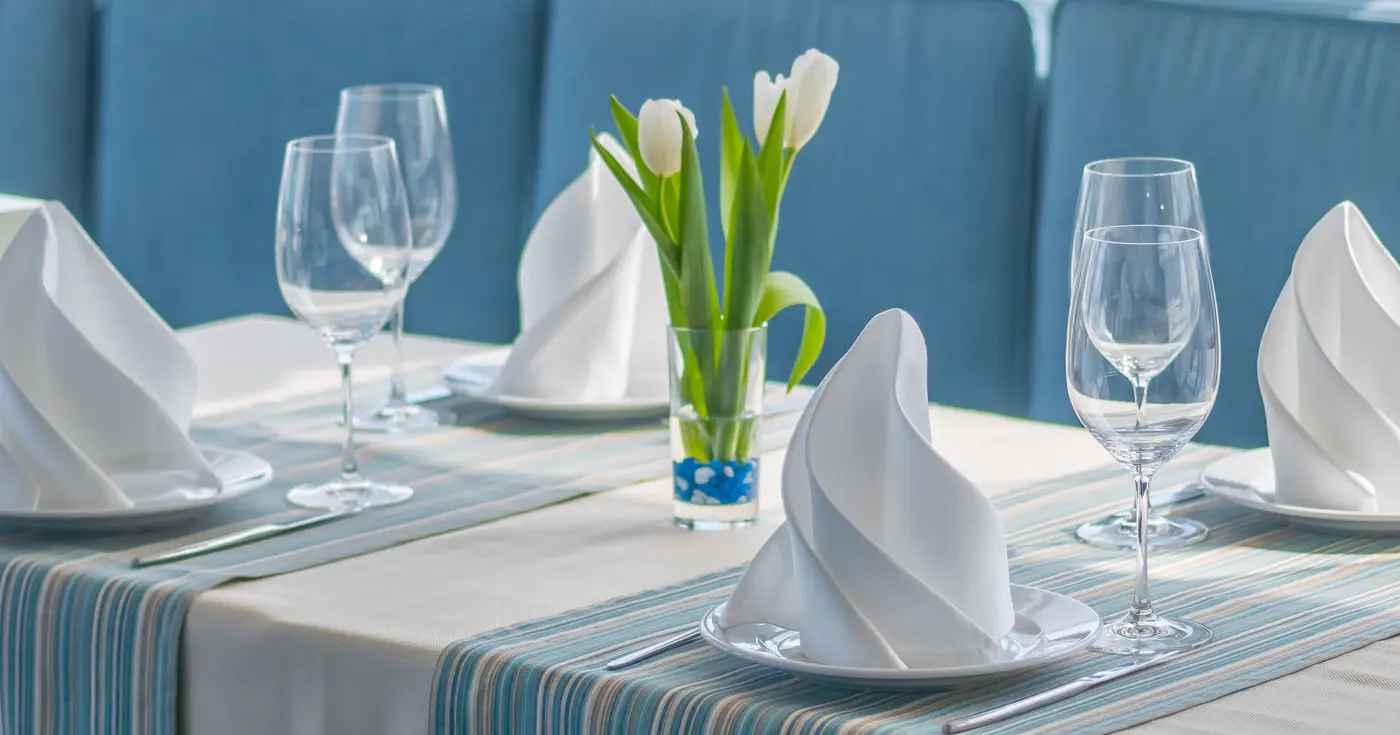
The dining room doors open, the evening show is still a few hours away, and suddenly dinner feels like part of the vacation rather than a pause between activities. That moment can happen in the main dining room that is already included in your fare—or in a quieter steakhouse, seafood restaurant, or theatrical venue carrying an extra charge.
Specialty dining can create a memorable night, but it is not a required upgrade. The better question is whether the experience adds something you will value beyond the good food your cruise already includes.
Quick Take
Specialty dining is usually worth it when you want a celebration meal, a particular cuisine, a quieter setting, or several restaurants that genuinely excite you. It is easier to skip when the included dining already suits your tastes or port days will keep you off the ship. Compare the full price—including service charges and exclusions—with the meals you will realistically use, then reserve the hardest-to-get venue rather than buying a package automatically.
What Specialty Dining Actually Buys You
Most mainstream cruise fares include a main dining room, buffet, and some casual venues. Those are not lesser meals you must upgrade to escape. Royal Caribbean, for example, describes its Main Dining Room as an included, traditional multi-course experience, while Princess calls its main dining rooms complimentary fine dining. Norwegian ships offer complimentary main dining rooms with three-course meals, and Carnival lists its dining room dinner as included.
Specialty restaurants charge separately because they offer a more focused experience: perhaps prime steak, sushi, handmade pasta, seafood, a chef-led tasting menu, or a meal built around entertainment. Dining rooms are often smaller, the pace may be more leisurely, and the menu can be narrower but more ambitious. Some venues use a fixed cover charge; others price each item à la carte.
The value is therefore not simply “better food.” You are paying for a distinct menu, atmosphere, service style, and occasion. A couple marking an anniversary may treasure one long dinner with a window table. A family whose children would rather return to the pool may get more happiness from included pizza and an early show.
Main Dining Room vs. Specialty Dining
The main dining room is designed to serve many guests across an entire sailing. Menus usually change from night to night, and you can expect starters, entrées, and dessert without an additional restaurant cover charge. Traditional seating may give you the same table and service team; flexible dining lets you choose times within the line’s system.
Specialty venues trade some of that breadth for identity. A steakhouse does not need to please every palate on one menu. An immersive restaurant can turn dinner into the night’s entertainment. A smaller room can feel calmer than the busiest complimentary venue, although no restaurant is guaranteed to be quiet.
There are tradeoffs. Specialty dinner can consume two hours you might rather spend at a show. Popular times may disappear early. Drinks, premium cuts, wine pairings, or other extras may remain outside the cover charge. And paying for dinner does not erase the value of the meal you already purchased through the cruise fare.
Think of the choice as an experience upgrade, not a food rescue plan.
What Specialty Dining Costs in 2026
Cruise dining prices vary by ship, voyage, venue, and purchase date, so the price in your cruise planner is the one that matters. The range is wide enough that a single generic budget number can be misleading.
As of October 31, 2026, Carnival lists its Fahrenheit 555 Steakhouse at $52 per adult and $15 per child ordering from the kids’ menu, with a 20% service charge added. Celebrity says specialty dining covers can range from $45 to $150 per person, depending on the restaurant, ship, and sailing, plus a 20% gratuity. Those examples show why “one specialty dinner” can mean a relaxed steakhouse evening on one ship and a much pricier theatrical or tasting experience on another.
Norwegian’s current Free at Sea structure is different. Its official offer page ties the number of specialty meals to sailing length and lists stand-alone cover charges of $40, $50, or $60 for participating restaurant categories when meals are purchased separately, with taxes and fees applying. The exact offer and required prepayments can change, so read the terms attached to your booking rather than relying on an older cruise review.
Royal Caribbean does not publish one fleetwide package price. The line says pricing varies by package, ship, and sailing length, and directs guests to the Cruise Planner for their sailing. That is the most useful rule across every line: compare the current checkout total, not the headline discount alone.
Our guide to what a Caribbean cruise really costs beyond the fare can help you place dining beside excursions, drinks, transportation, and other priorities instead of treating each add-on in isolation.
When a Dining Package Makes Sense
A package can be a good fit when several restaurants are already on your must-try list. The savings become meaningful only when you use the included meals at venues you would have chosen anyway.
Before buying, write down the restaurants and nights you realistically want. Then price those meals individually, add the service charges shown at checkout, and compare that total with the package. Check whether your selected restaurants are included without a supplement. Royal Caribbean’s current Unlimited Dining Package list, for example, includes many venues but identifies extra surcharges for certain premium experiences. Celebrity’s package terms give dining credits at its à la carte restaurants rather than an unlimited order.
Your itinerary matters just as much as the math. A port-intensive Southern Caribbean cruise may leave you tired after long days in Aruba, Bonaire, and Curaçao. A sailing with several sea days creates more time for a specialty lunch or an unhurried dinner. If your plans are still taking shape, compare the rhythm of the itinerary before committing every evening.
Packages are less compelling for travelers who prefer spontaneity, light dinners, or the included menu. They can also create a subtle pressure to dine because you paid for it. Vacation should not feel like a race to extract value from a package.
The Reservation Question Can Decide the Value
A package is not the same as a guaranteed table at every venue and time. Restaurant capacity still matters.
Royal Caribbean now allows guests who purchase its Unlimited Dining Package through the app or My Royal Cruise to make specific reservations before boarding. Other package types may begin with an assigned reservation, which guests can try to change onboard. Norwegian accepts reservations through its website, app, phone team, and onboard channels. Celebrity notes that packages and reservations remain subject to availability.
If one restaurant is the reason you are buying, verify its availability before treating the package as a done deal. Prime dinner hours on sea days tend to be more desirable than very early or late slots. Reserving a celebration meal early is usually more important than squeezing a small theoretical discount from the rest of the week.
Also look at showtimes, sail-away, and formal or dressier evenings. A reservation that collides with the performance you most want to see is not a bargain.
Service Charges, Drinks, and the Fine Print
The price shown on the dining page may not be your final total. Carnival, Celebrity, Norwegian, and Princess currently disclose service charges or gratuities on specialty dining, though the exact wording and rate should be confirmed for your booking. Drinks are usually separate unless they are included by a beverage package and meet that package’s terms. Premium entrées, tasting menus, wine pairings, or entertainment components may carry another supplement.
Do not assume the cruise’s daily crew gratuity replaces a specialty restaurant service charge. They are different line items. Our explanation of prepaid cruise gratuities walks through that distinction in more detail.
Families should inspect children’s pricing and menus. A lower child rate may require ordering from the kids’ menu, while ordering from the full specialty menu can change the charge. Allergies and dietary needs should be communicated to the cruise line in advance and confirmed with the restaurant team onboard; a narrower specialty menu is not automatically easier for every dietary requirement.
Who Is Most Likely to Love the Upgrade?
Specialty dining tends to earn its place in the budget for travelers who see dinner as an event. It fits naturally with birthdays, anniversaries, multigenerational celebrations, and couples who want one intentionally slow evening. Food-curious travelers may value a chef-driven concept they cannot find in the complimentary venues. On a large ship with many distinct restaurants, dining can be part of why you selected that ship in the first place.
It may be easy to skip if you chose the cruise for beaches and ports, prefer quick casual meals, or already love the included dining. First-time cruisers sometimes pre-purchase every package because they worry the basic fare will feel incomplete. It will not. Start with what is included, then add only the experiences that make your particular vacation better.
If you are comparing the entire onboard experience—not only the restaurants—our first Caribbean cruise guide and cruise drink package guide can help you decide where an upgrade will matter most.
A Simple Way to Decide Before You Sail
Open the dining section for your actual ship and sailing. Choose the one or two restaurants you would be disappointed to miss, check their menus and full checkout prices, and place them beside your port schedule and evening plans. If several venues still feel essential and the package total is lower than buying those meals individually, the package has a clear purpose. If only one dinner stands out, reserve that dinner and keep the rest of the week flexible.
Specialty dining is worth it when the meal itself becomes part of the story you want from the cruise. It is not worth it merely because the booking screen calls it an upgrade.
If you would like help comparing ships, dining options, cabins, and Caribbean itineraries, tell CPosey Travel what would make your vacation feel special. We will help you sort the meaningful extras from the ones you can happily leave behind.